In the fast-evolving world of the precast concrete industry, innovation plays a crucial role in streamlining operations and enhancing product quality. One such innovation that has gained significant attention is the use of insert magnets for precast applications. The "Insert Magnet For Precast" offers a myriad of advantages that not only improve the efficiency of construction processes but also contribute to better structural integrity and aesthetic appeal of precast components.
As industry demands escalate and the need for rapid production becomes vital, the adoption of insert magnets provides a practical and effective solution. These versatile tools allow for precise placement of inserts, facilitating easier assembly and reducing the potential for errors. Moreover, their reusable nature results in cost savings and a reduced environmental impact, aligning with the industry's push towards sustainability.
In this article, we will explore the top ten benefits of using insert magnets in the precast concrete sector, highlighting why they are essential for modern construction practices. By understanding these benefits, industry professionals can harness the full potential of insert magnets, leading to enhanced productivity and superior project outcomes.
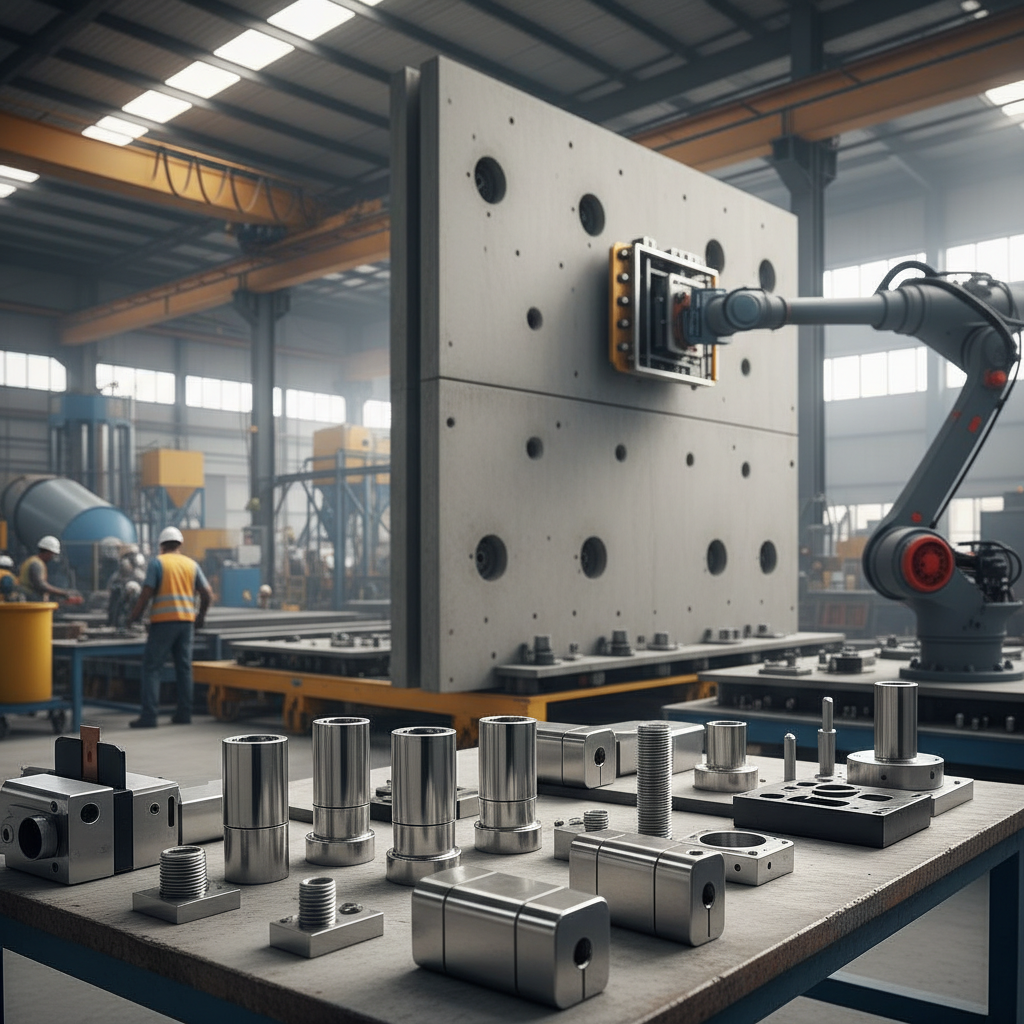
The use of insert magnets in the precast concrete industry offers significant advantages by enhancing efficiency throughout the production process. These magnets provide a reliable method for securing forms, allowing for quicker setup and adjustments compared to traditional fastening methods. This not only reduces the time required for preparation but also minimizes the likelihood of errors during production, leading to a higher quality end product.
Additionally, insert magnets contribute to a more flexible workflow. As projects often require quick adaptations to changing specifications, these magnets facilitate rapid reconfiguration of molds without the need for extensive tools or labor. This adaptability not only streamlines operations but also boosts overall productivity, allowing manufacturers to meet tight deadlines and respond to customer demands swiftly. Ultimately, the integration of insert magnets into precast concrete production optimizes operational efficiency, offering a competitive edge in a fast-paced industry.
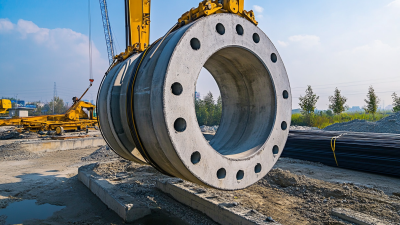
Insert magnets have become increasingly crucial in the precast concrete industry, particularly when it comes to reducing labor costs. By providing precise positioning and secure attachment of reinforcements and accessories, insert magnets streamline the fabrication process, allowing workers to focus on more critical tasks. According to a report from the Precast/Prestressed Concrete Institute (PCI), companies utilizing insert magnets have reported a labor cost reduction of up to 30%. This efficiency is attributed to the decreased need for manual handling and adjustments during casting, which not only saves time but also minimizes the risk of workplace injuries.
One tip for precast concrete manufacturers is to invest in high-quality insert magnets, as they offer greater holding strength and longevity. It’s essential to ensure that the magnets are compatible with the specific concrete mix being used, as this compatibility can further enhance operational efficiency. Additionally, training staff on best practices for utilizing these tools can lead to better overall productivity.
Implementing insert magnets can lead to significant enhancements in production speed and quality control. By reducing time spent on manual labor, companies can allocate resources to innovation and project development. Industry research indicates that firms embracing these technologies frequently see not only improved cost savings, but also enhanced project timelines and customer satisfaction.
Insert magnets play a crucial role in enhancing quality control within the precast concrete industry. By providing accurate placement of components during the manufacturing process, these magnets ensure that the final products meet strict tolerances and dimensions. This precision not only reduces the risk of defects but also improves overall efficiency, as workers can quickly and easily position components without the need for complex alignment systems. The result is a significant enhancement in the quality and reliability of concrete structures.
Moreover, the implementation of insert magnets streamlines the production workflow, allowing for faster assembly times. This optimization is particularly beneficial in meeting the growing demands for precast concrete, as the industry increasingly seeks ways to balance quality with productivity. As manufacturers continue to adopt advanced technologies for quality control, insert magnets will undoubtedly remain a key tool in driving both performance and sustainability in concrete production.
| Benefit | Description | Impact on Quality Control |
|---|---|---|
| Increased Accuracy | Utilizing insert magnets ensures precise placement of rebar and embedded pieces. | Higher component dimensional accuracy reduces rework. |
| Labor Efficiency | Speeds up the setup process for casting by securing fixtures quickly. | Decreases labor hours needed per project. |
| Flexibility in Design | Allows for easy adjustments and reconfiguration of production setups. | Supports a wider range of design options without fixed tooling. |
| Reduced Scrap Rates | Improved alignment leads to fewer defective products. | Minimizes material waste during production. |
| Simplified Rework | Easy repositioning of components when errors occur. | Less time and cost associated with correcting mistakes. |
| Consistent Quality | Standardizes production processes with reliable fixtures. | Enhances overall quality assurance measures. |
| Ease of Use | User-friendly design allows quick adjustment and placement. | Reduces training time for new workers. |
| Cost-Effectiveness | Lower long-term costs due to fewer errors and less waste. | Enhanced profitability through efficient processes. |
| Improved Safety | Reduces the need for manual adjustments in hazardous areas. | Encourages safer working conditions for employees. |
| Rapid Production Cycles | Facilitates faster setup and turnover of concrete components. | Enables meeting tight project deadlines more efficiently. |
Insert magnets play a pivotal role in streamlining the precast concrete assembly processes, providing a level of efficiency and precision that traditional methods often lack. By integrating these magnets into the assembly workflow, manufacturers can effortlessly align and secure components, significantly reducing the time spent on manual adjustments. This not only accelerates the overall assembly time but also minimizes the risk of errors that can lead to costly reworks.
Moreover, the use of insert magnets fosters a safer work environment. With components firmly in place, workers can operate with confidence, reducing the likelihood of accidents associated with shifting materials during assembly. The magnets enhance the stability of the precast concrete elements, allowing for more complex designs without compromising structural integrity. This not only meets the increasing demand for innovative architectural solutions but also promotes a more efficient production cycle, ultimately benefiting both manufacturers and clients in the precast concrete industry.
In the precast concrete industry, the integration of insert magnets significantly enhances safety protocols during manufacturing processes. By securely holding components in place, these magnets reduce the risk of accidents associated with shifting materials. This stability allows workers to operate in a more controlled environment, minimizing the chances of falls, crush injuries, or other incidents that can arise from traditional fastening methods. Implementing insert magnets fosters a culture of safety, empowering employees to focus on their tasks without the constant worry of mishandling or sudden movements of heavy materials.
Moreover, the use of insert magnets contributes to overall workplace efficiency, further enhancing safety outcomes. With a quicker setup and dismantling process, production times are reduced, meaning employees are less exposed to potential hazards associated with prolonged operations. The reliability of insert magnets diminishes the need for cumbersome mechanical tools and equipment, which can often lead to injury. As a result, the precast concrete industry can not only meet production goals but also maintain a safer working environment, ensuring both the wellbeing of staff and the integrity of the manufacturing process.