How to Choose the Right Shuttering Magnet System For Precast Formwork?
In the precast concrete industry, the choice of a Shuttering Magnet System for Precast Formwork is critical. The global precast concrete market is projected to grow at a CAGR of 5.5% from 2021 to 2026, indicating increasing demand for efficient formwork solutions. Shuttering magnets play a vital role in enhancing productivity and ensuring precision in concrete casting.
When selecting a suitable magnet system, it’s essential to consider factors such as load capacity, ease of use, and durability. Not all systems are created equal. Some may promise high performance but fail under pressure, leading to costly project delays. Reports suggest that improper choices can increase labor costs by up to 30%.
Employing a reliable Shuttering Magnet System for Precast Formwork not only optimizes workflows but also reduces waste. As projects grow in scope and complexity, ensuring that your magnet system can handle various conditions becomes indispensable. Careful evaluation and selection can make a significant difference in your overall project success.
Understanding Shuttering Magnet Systems in Precast Formwork
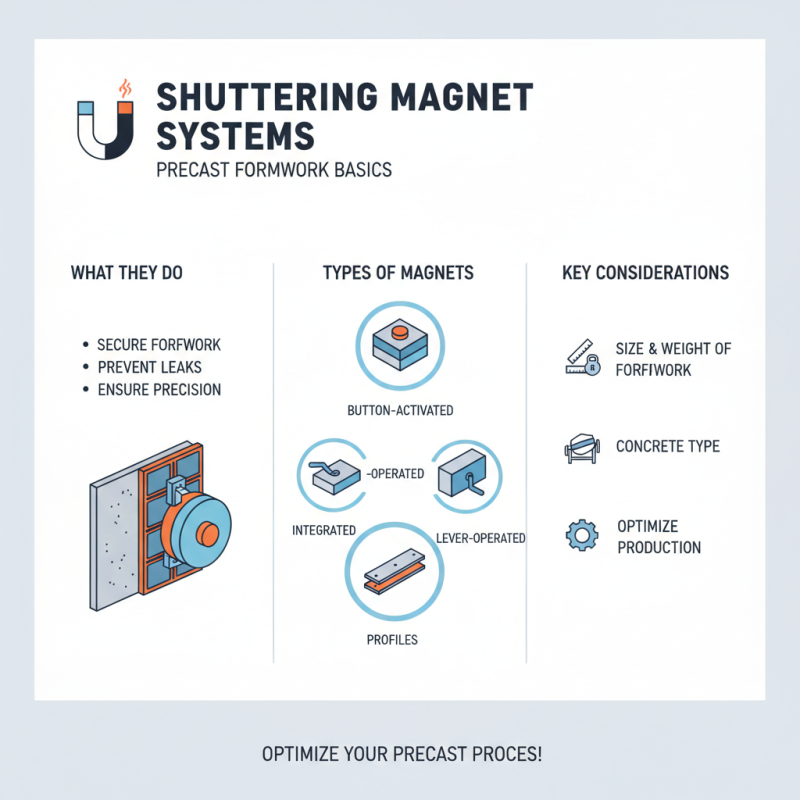
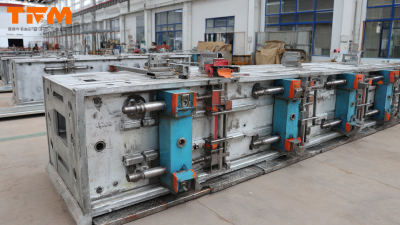
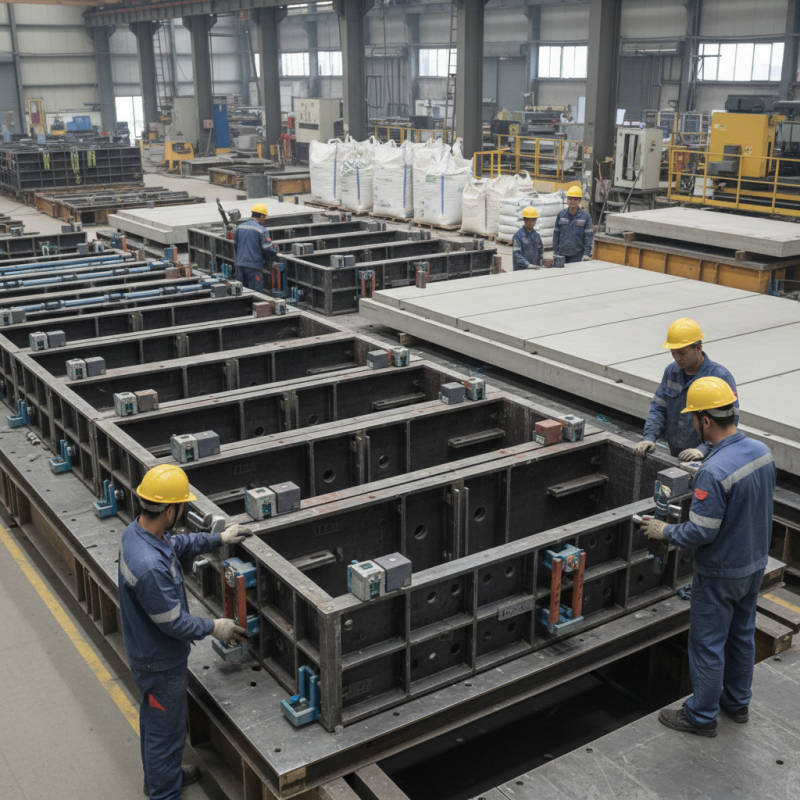
Choosing the right shuttering magnet system for precast formwork is crucial. Understanding the various types can help optimize the construction process. Shuttering magnets secure formwork in place, preventing leaks and ensuring precise shapes in precast elements. Various systems are available, and their effectiveness depends on factors like size, weight, and the type of concrete used.
When selecting a system, consider the project scale. Larger projects may require stronger magnets. It’s essential to evaluate the force needed to hold the formwork securely. Some projects may face inconsistencies, like varying concrete density. Addressing these inconsistencies early can prevent future issues.
**Tips:** Test the magnets before full-scale application. Assess the holding strength under real conditions. Not all magnets perform equally in different environments. Regular checks on secure fittings can save time and prevent accidents later. Additionally, consider ease of use during installation and removal, which can affect labor efficiency.
Key Factors to Consider When Choosing Shuttering Magnets
When selecting a shuttering magnet system for precast formwork, several key factors need consideration. The holding force is crucial. A strong magnetic grip ensures that the formwork remains securely in position during the concrete pouring process. Weak magnets can lead to misalignment and wasted materials.
Next, think about the shape and size of the magnets. Different projects require different specifications. It’s important to assess the dimensions of your formwork. This will guide the decision on which magnets are appropriate. Additionally, consider the placement and adjustment. Efficient designs allow for quick setups and modifications on the job site.
Another vital aspect is the material quality of the magnet system. High-quality materials enhance durability and reliability. Poorly manufactured magnets can lead to issues that compromise safety and effectiveness. Reflect on past projects and their outcomes. Learning from these experiences can inform better choices in the future. Each of these factors influences the overall success of the formwork system. Evaluating them carefully leads to smarter, more effective project execution.
Comparing Different Types of Shuttering Magnet Systems
When selecting a shuttering magnet system for precast formwork, understanding the types available is crucial. Traditional magnetic systems rely on permanent magnets for a strong hold. However, they may face challenges when used in extreme temperatures. A recent industry report noted that permanent magnets can lose up to 30% of their strength in high heat. This leads to potential inconsistencies in formwork quality.
On the other hand, electromagnetic systems provide flexibility. They allow for quick adjustments during the pouring process. This adaptability is essential for projects requiring frequent design changes. However, they require a power source, adding complexity to site logistics. Industry data highlights that electromagnetic systems can increase installation speed by up to 25%. Yet, they also introduce potential reliability concerns, especially during power outages.
Another variation is the hybrid magnet system, combining both permanent and electromagnetic features. This hybrid approach offers a balance between strength and flexibility. However, it can be more costly and may require specialized knowledge for effective implementation. It’s crucial for project managers to weigh these factors carefully, as the wrong choice can lead to delays and budget overruns. The right magnet system hinges on project specifics, making informed decision-making vital.
Comparison of Different Types of Shuttering Magnet Systems
Assessing Compatibility with Precast Concrete Elements
Choosing the right shuttering magnet system involves careful assessment of how well it matches your precast concrete elements. Compatibility is crucial for ensuring structural integrity. Not all magnets are designed for the same types of formwork. This can lead to challenges during casting.
When evaluating a magnet system, consider the specific design of your precast elements. The shape, size, and weight can influence how effectively the magnets hold the shuttering in place. A poor fit may result in misalignment or gaps, which compromise the final product. Always gather feedback from onsite workers; their practical experience can provide insights that technical specifications often miss.
Tips: It’s helpful to test the magnets with mock-ups before mass production. This allows you to spot potential issues early. Also, keep in mind the environmental factors; moisture and temperature variations can affect magnet performance.
Flexibility is another important aspect. A system that works well today might not suit future projects. Review your needs regularly. Adjustments may be necessary to maintain efficiency and quality.
Evaluating Cost-Effectiveness and Performance Efficiency
Choosing the right shuttering magnet system for precast formwork is a critical decision. Evaluating cost-effectiveness and
performance efficiency can significantly impact overall project success. Industry studies show that 30%
of construction costs arise from formwork operations. Utilizing efficient magnet systems can reduce these costs and enhance performance.
Cost-effectiveness stems from the durability and reusability of shuttering magnets. Many systems last up to five years under standard conditions.
In contrast, traditional methods may need frequent replacements. Additionally, a reliable system can save up to 20%
in labor costs, as fewer workers are required for setup and adjustments.
Performance efficiency closely relates to how well these systems adhere during the concrete curing process. Reports indicate that using advanced magnet technology can
increase concrete surface quality, decreasing the need for post-construction treatments. However, some systems might struggle with extreme temperatures or humidity,
necessitating careful evaluation. Building professionals should reflect on these factors, focusing not only on initial costs
but also on the long-term impacts.