What is Magnetic Shuttering Solutions and How Do They Work in Construction
In the ever-evolving construction industry, innovation is key. One such advancement is the use of Magnetic Shuttering Solutions. These systems provide an efficient alternative to traditional methods. They use magnets to secure formwork, simplifying the construction process.
Magnetic Shuttering Solutions offer various benefits. They allow for quick setup and require less labor, which can cut costs. However, it's essential to assess their effectiveness in different projects. Not all construction scenarios will fully benefit from magnetic technology. Some contractors may find them less reliable than expected.
Moreover, understanding how Magnetic Shuttering Solutions operate is crucial. The system hinges on the principle of magnetism. While it sounds straightforward, proper application is vital. If not used correctly, issues may arise, such as formwork misalignment. This can lead to unforeseen delays and increased expenses. Assessing the pros and cons is necessary for optimal results.

What is Magnetic Shuttering in Construction?
Magnetic shuttering is an innovative solution gaining traction in the construction industry. This method utilizes magnetic forces to hold shuttering panels in place during concrete pouring. It offers numerous advantages, such as reduced labor costs and faster installation times. Reports indicate that magnetic shuttering can cut installation time by as much as 30%, significantly improving project timelines.
In traditional methods, aligning and securing panels often requires extensive manual labor. This can lead to inconsistencies in the structure. Magnetic shuttering reduces these risks, providing a more stable and uniform surface. However, this technology isn't without its challenges. The initial setup may require advanced training for workers, which could offset some of the time savings initially.
Moreover, while magnetic systems are typically more efficient, they may not be suitable for all project types. Heavy-duty applications could still rely on conventional shuttering for added strength. Despite these limitations, the growth of magnetic shuttering reflects ongoing innovation in construction. Industry observers project that by 2025, this technique could become standard in many projects. The construction world needs to keep an open mind and adapt to new methods, but it must also assess the practical applications judiciously.
Principles Behind Magnetic Shuttering Solutions
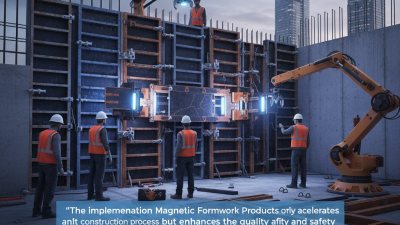
Magnetic shuttering solutions are innovative tools used in construction. They operate based on magnetic forces, simplifying the formwork process. When placed against a surface, magnets hold the shutters securely in position. This method is faster than traditional formwork. It reduces the need for clamps and additional support. Workers can position them easily, increasing efficiency.
The underlying principle involves electromagnetism. When electric current passes through the coils, a magnetic field forms. This attracts metal shutter panels firmly. It allows for quick adjustments and placements. Construction teams can design and modify shapes on the fly. However, the system isn’t without drawbacks. Proper training is essential; inexperienced workers may struggle. Also, the infrastructure must be compatible with magnetic solutions. Ignoring these aspects may lead to implementation failures.
Overall, magnetic shuttering presents unique advantages. It enhances productivity and promotes creativity in design. However, companies must evaluate their readiness. Reliable power sources and skilled labor are crucial for success. Balancing these factors can lead to a smoother construction experience.
What is Magnetic Shuttering Solutions and How Do They Work in Construction - Principles Behind Magnetic Shuttering Solutions
| Feature |
Description |
Benefits |
Application |
| Magnetic Adherence |
Utilizes magnetic forces to secure formwork in place, allowing for quick installation and removal. |
Increased efficiency, reduced labor costs, and the ability to reposition easily. |
High-rise buildings, bridges, and complex concrete structures. |
| Durability |
Constructed from high-strength materials that withstand harsh construction environments. |
Long lifespan, reduced maintenance costs, and consistent performance over time. |
Foundations, walls, and other structural elements in demanding conditions. |
| Flexibility in Design |
Allows for various shapes and configurations, accommodating unique architectural designs. |
Enhances creative freedom and supports innovative construction techniques. |
Custom projects requiring elaborate formwork solutions. |
| Cost-effectiveness |
Reduces the need for traditional shoring and bracing systems. |
Lower overall project costs and faster return on investment. |
Large-scale commercial buildings and infrastructure development. |
| Rapid Assembly |
Quick setup and breakdown times compared to traditional formwork systems. |
Accelerates project timelines and minimizes downtime. |
Time-sensitive projects with strict deadlines. |
Advantages of Using Magnetic Shuttering in Construction Projects
Magnetic shuttering solutions are revolutionizing construction. These systems use powerful magnets to hold formwork in place. This method simplifies the pouring of concrete, providing many advantages over traditional methods.
One key advantage is speed. Magnetic shuttering can be set up quickly, reducing time on site. Workers save time during both installation and dismantling. Additionally, this type of shuttering ensures a high degree of accuracy. It molds to the required shape without shifting. However, it requires careful calibration to maximize effectiveness.
Another benefit is flexibility. The system can adapt to various shapes and sizes. This versatility opens opportunities for innovative architectural designs. Still, it’s essential to consider site conditions. For instance, strong winds may affect stability. Attention to these details is vital for successful implementation.
Installation Process of Magnetic Shuttering Systems
Magnetic shuttering systems provide an efficient method for forming concrete structures. The installation process begins with a thorough site assessment. Workers must evaluate the ground condition carefully. This initial step is crucial to ensure stability and safety.
Next, workers prepare the magnetic panels. These panels are designed to align easily with the required shapes and dimensions. During installation, teams must ensure that the panels fit snugly together. Any gaps can lead to issues like concrete leakage. Attention to detail matters here.
After positioning the panels, the securing process begins. Magnets are activated to hold the panels firmly in place. This process is generally quick but requires focus. Workers need to double-check the alignment. It's essential to tackle any errors immediately. If the panels are misaligned, it can affect the final structure's integrity. Overall, while the installation process is straightforward, it demands careful planning and execution.
Applications of Magnetic Shuttering in Various Construction Scenarios
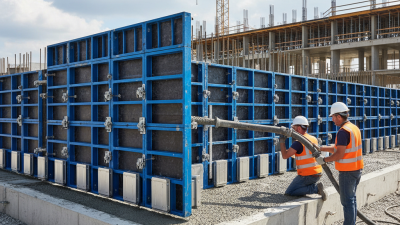
Magnetic shuttering solutions are revolutionizing construction applications. These systems utilize powerful magnets for secure formwork. This method is ideal for creating concrete structures with precise shapes. Magnetic shuttering is particularly beneficial in complex designs. It allows for quicker setup and adjustments on-site, enhancing operational efficiency.
In various construction scenarios, magnetic shuttering shines. For instance, in high-rise buildings, it supports unique architectural features. The flexibility of the system accommodates varied concrete pouring heights. It also proves useful in building foundations where accuracy is critical. Workers can reposition magnetic panels easily, which is not always the case with traditional methods.
However, challenges remain. While magnetic shuttering is efficient, it requires careful handling. If not aligned correctly, it can lead to misformed structures. There’s also a learning curve for teams new to this technology. These factors need addressing for optimal results. Continuous feedback and adaptations will help improve its use in the field.
Applications of Magnetic Shuttering in Various Construction Scenarios