What is Precast Concrete Lifting Eyes and How to Use Them?
Precast Concrete Lifting Eyes are essential components in the construction industry. They provide a reliable method for lifting and moving precast concrete elements safely. Understanding their design and function is crucial for engineers and construction workers alike.
These lifting eyes help to ensure that heavy concrete panels can be transported without damage. They come in various sizes and designs, tailored for specific projects. However, many workers lack proper training on their use, leading to potential hazards. Incorrect installation can cause accidents, affecting safety on-site.
To effectively utilize Precast Concrete Lifting Eyes, training is vital. Workers should know how to inspect the integrity of these eyes before use. Evaluating load capacities is also necessary to prevent mishaps. Continuous learning and adopting best practices are essential for improving safety and efficiency. Thus, understanding these components deeply not only fosters a safer work environment but also enhances project success.
Understanding Precast Concrete Lifting Eyes: Definition and Purpose
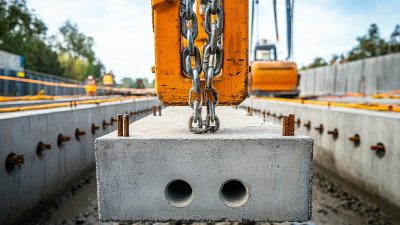
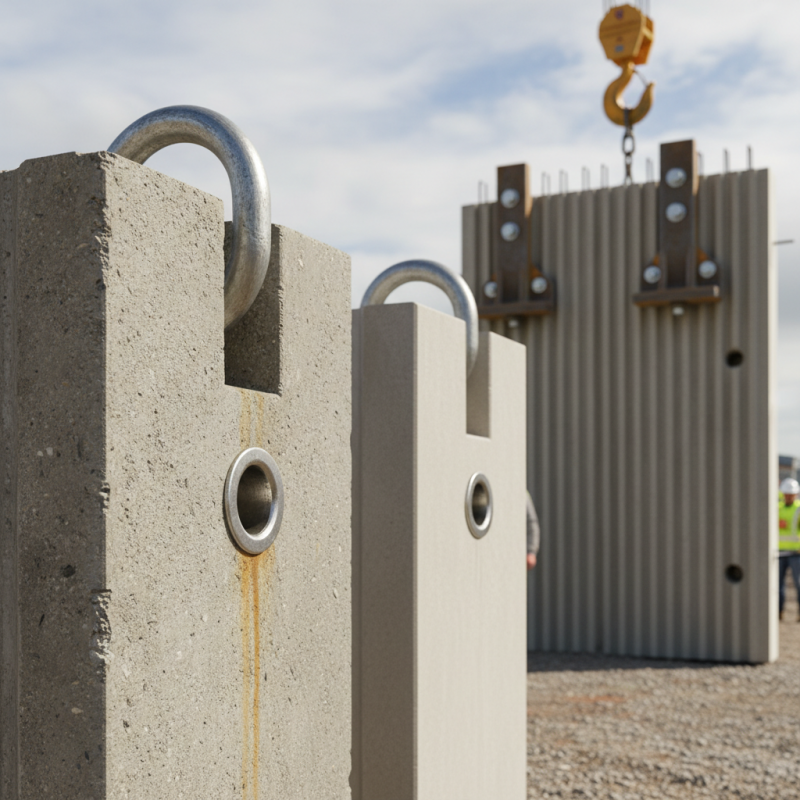
Precast concrete lifting eyes play a crucial role in the construction process. They are embedded in precast concrete elements to facilitate safe and efficient lifting and transportation. Understanding their purpose helps ensure proper handling of heavy concrete components, preventing accidents on-site.
When using precast concrete lifting eyes, proper placement and alignment are essential. They should be positioned in areas of sufficient tensile strength to avoid structural damage. Workers must adhere to safe lifting techniques, as improper use can lead to accidents. Always verify load limits before lifting; this helps maintain safety standards.
Tips: Check the lifting eyes regularly for wear or damage. This helps prevent unexpected failures. Additionally, consider conducting training sessions for personnel to ensure everyone understands proper techniques. A well-informed team is vital for a successful project. Make sure all workers are aware of potential hazards associated with lifting heavy loads.
Types of Precast Concrete Lifting Eyes and Their Applications
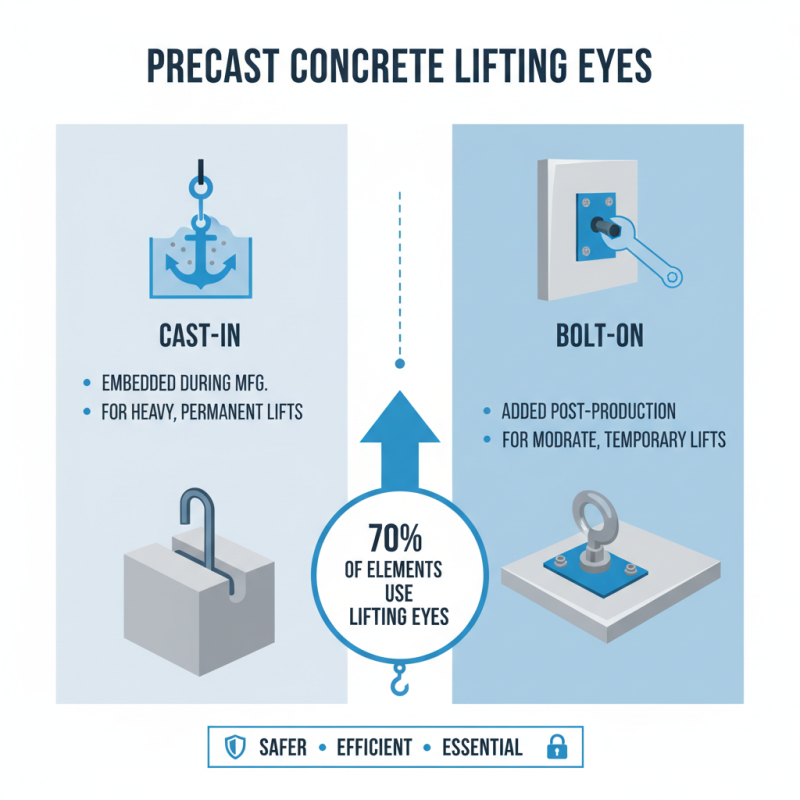
Precast concrete lifting eyes are essential components for handling precast elements safely and efficiently. They come in various types, each designed for specific applications. Common types include cast-in lifting eyes, which are embedded during manufacturing, and bolt-on lifting eyes, which are added post-production. According to industry data, around 70% of precast concrete elements use lifting eyes for transport and installation. This reliance highlights their importance in reducing handling risks.
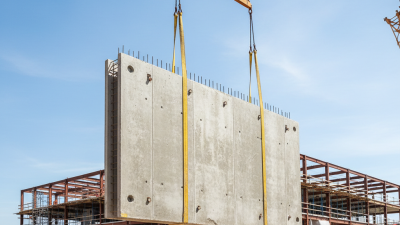
The applications of these lifting eyes vary significantly. For example, cast-in lifting eyes are often used for large panels in commercial buildings, ensuring stability during lifting. On the other hand, bolt-on lifting eyes are generally reserved for elements that may undergo modifications. Reports indicate that improper use of lifting eyes leads to increased accident rates. It’s crucial to follow best practices and verify their load capacity before use, as miscalculations can lead to structural failures. This aspect of precast handling involves ongoing reflection and training to enhance safety protocols.
Attention to detail in selecting the appropriate lifting eye type can greatly impact project success. Lifting eyes must match the specific load requirements and installation conditions. Inadequate training or unfamiliarity with these components can pose risks. Staying updated with industry standards is vital for ensuring reliability and safety while using precast concrete lifting eyes, emphasizing the need for continuous evaluation in handling processes.
Installation Guidelines for Precast Concrete Lifting Eyes
Precast concrete lifting eyes are essential for safely handling heavy concrete elements. Proper installation is critical for ensuring the integrity of the entire lifting system. Follow these guidelines to enhance safety and efficiency during your installation process.
Before installation, examine the lifting eyes for any visible damage. Make sure each eye is free of cracks or defects that could compromise performance. Position the lifting eyes in areas of high tension. This ensures that loads are balanced and reduces the risk of breaking during lifting.
Tips: Always consult detailed pre-lift plans and load charts. This provides guidance on capacity and safety. Ensure all crew members are trained in lifting techniques. Communication among the team is key during the lifting phase to manage risks effectively.
After installation, regularly inspect the lifting eyes and surrounding structure. Look for signs of wear or other issues. This helps detect potential problems early. Remember, overlooking small details could lead to significant setbacks. Adopting a diligent inspection routine can enhance safety and reliability.
What is Precast Concrete Lifting Eyes and How to Use Them? - Installation Guidelines for Precast Concrete Lifting Eyes
| Dimension |
Measurement |
Material Type |
Load Capacity (lbs) |
Common Applications |
| Eye Diameter |
2.5 inches |
Steel |
1,500 lbs |
Wall Panels |
| Eye Diameter |
3 inches |
Aluminum |
2,000 lbs |
Bridge Beams |
| Eye Diameter |
4 inches |
Stainless Steel |
3,000 lbs |
Heavy Load Panels |
| Eye Diameter |
2 inches |
Forged Steel |
1,200 lbs |
Concrete Blocks |
Safety Considerations When Using Precast Concrete Lifting Eyes
Precast concrete lifting eyes are essential tools for safely handling heavy components. When using them, it’s crucial to prioritize safety to prevent accidents. Workers should inspect lifting eyes before use. Any visible wear or damage can compromise the safety of the entire operation. A thorough examination ensures that every lifting eye meets load specifications.
Training is vital. Workers must be educated on proper lifting techniques and load limits. Misuse often leads to accidents, some of which can be severe. It's important to create a culture of safety on the job site. Regular safety meetings can reinforce proper practices and encourage reporting unsafe conditions.
Using the right equipment is also important. Ensure that cranes and hoists are aligned correctly with the lifting eyes. Misalignment can result in uneven stress, leading to failures. Even minor errors can have serious consequences. Always stay vigilant, and keep communication open among team members during lifting operations. Daily reminders about safety can enhance awareness.
Precast Concrete Lifting Eyes Load Capacity
This chart illustrates the load capacity of various types of precast concrete lifting eyes. Each type is designed to safely handle different maximum loads, highlighting the importance of selecting the appropriate lifting eye for the specific application.
Best Practices for Maintaining Precast Concrete Lifting Eyes
Maintaining precast concrete lifting eyes is critical for ensuring safety and efficiency during lifting operations. Regular inspection of these lifting devices is essential. Check for any visible cracks, rust, or deformation. Even small signs of wear can indicate larger issues. Replace damaged lifting eyes promptly to prevent accidents.
Proper usage significantly impacts the longevity of lifting eyes. Always follow the manufacturer’s guidelines for load limits. Overloading can lead to catastrophic failure. Additionally, using the correct lifting equipment for the specific lifting eye type is crucial. Misalignment can cause unintended stress, leading to damage.
Documentation is often overlooked. Keeping a log of inspections and maintenance records can help identify patterns. These patterns may reveal that certain lifting eyes require more frequent checks. Such insights can improve overall safety practices in precast concrete operations. Remember, proactive maintenance is more effective than reactive repairs.