Top 10 Benefits of Siderail Shuttering Magnet in Construction?
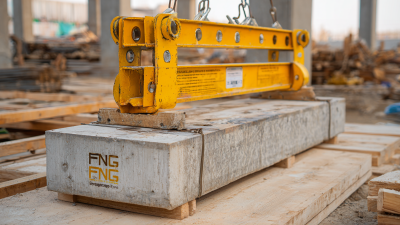
In the construction industry, innovation drives efficiency. One notable advancement is the Siderail Shuttering Magnet. It has transformed how concrete forms are set up. According to a report by Market Research Future, the global demand for magnet technology in construction is projected to grow by 15% annually. This is largely due to increased productivity and safety on job sites.
Expert John Anderson states, "The Siderail Shuttering Magnet significantly reduces setup time, allowing teams to focus on precision." This change is pivotal. Traditional methods involve time-consuming adjustments. In contrast, Siderail Shuttering Magnets provide quick and reliable positioning. They enhance the workflow while maintaining high accuracy.
Yet, the industry must consider potential drawbacks. Implementation costs can be significant. Some teams may struggle to adopt this technology. Ongoing training is essential to maximize benefits. The conversation about Siderail Shuttering Magnets is evolving, and the pressure to adapt is mounting. Balancing innovative solutions with practical application will define the future of construction.
Advantages of Siderail Shuttering Magnet for Construction Efficiency
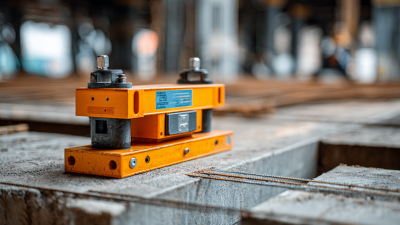
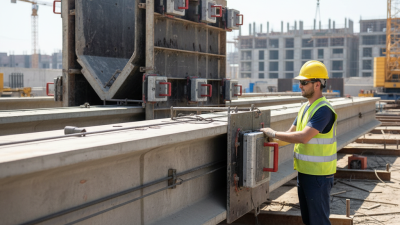
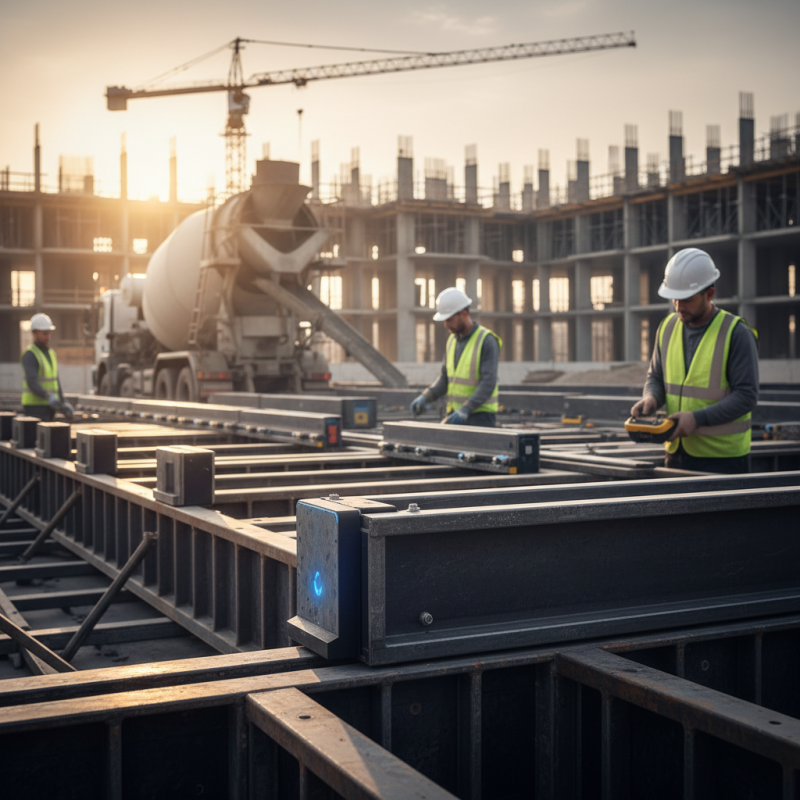
Siderail shuttering magnets offer unique benefits that enhance construction efficiency. They are easy to handle and allow for quick setup on site. By eliminating the need for traditional fastening, workers can save precious time. This increased efficiency can lead to greater productivity. However, some workers may find them challenging to adjust at first.
The design of these magnets provides strong holding power. This ensures stability during concrete pouring. Yet, if improperly positioned, they can cause misalignment. Regular training and attention to detail are essential to prevent mistakes. The ability to reposition magnets easily can also be a double-edged sword. It facilitates rapid changes but can distract from careful planning.
Using siderail shuttering magnets helps reduce material waste. They allow for precise formwork without unnecessary materials. However, reliance solely on magnets might overlook traditional techniques that offer reliability. Balancing both methods can lead to the best outcomes. Construction teams should embrace this modern solution but remain open to tried-and-true practices.
Impact on Labor Costs Associated with Siderail Shuttering Magnet Use
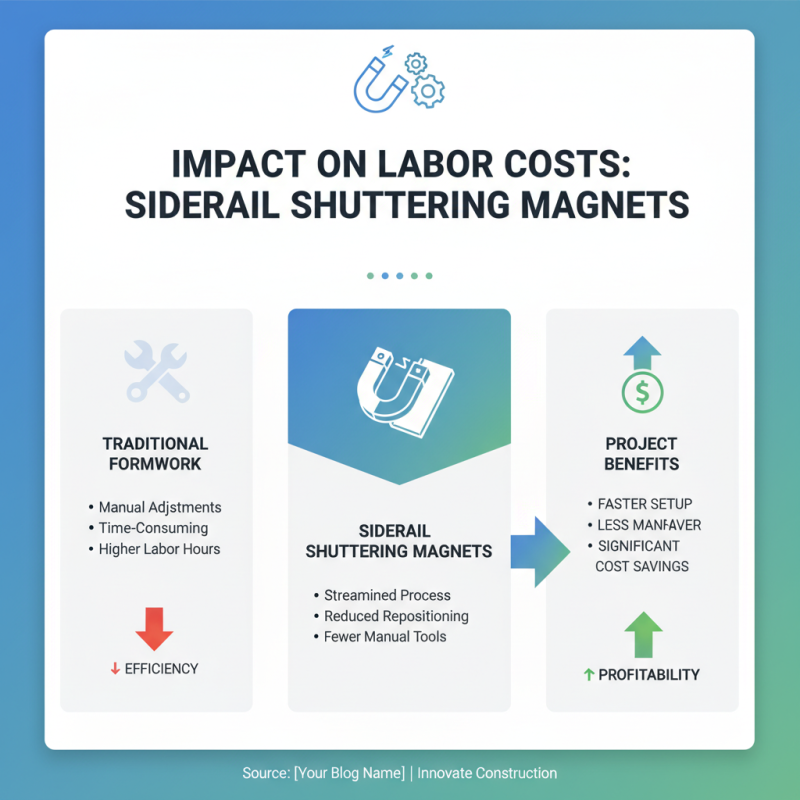
Siderail shuttering magnets are changing how construction projects manage labor costs. These magnets streamline the process of securing formwork. Workers spend less time adjusting and repositioning panels, which can reduce overall labor hours. Imagine a project that uses fewer manual tools. This shift leads to noticeable cost savings.
However, there are challenges to adopting this technology. Not all workers are familiar with magnet systems. Training is essential, and that takes time and resources. Some teams may find the initial setup perplexing. Adjusting to a new workflow can feel cumbersome at first. Unexpected issues may arise when integrating magnets into existing processes.
Yet, the long-term benefits are clear. With reduced labor hours, projects can become more efficient. Accurate placement of formwork can improve the quality of construction. Ultimately, while the transition has its hurdles, the potential financial benefits are significant. Adopting siderail shuttering magnets can transform labor dynamics in construction.
Enhanced Safety Features Offered by Siderail Shuttering Magnet
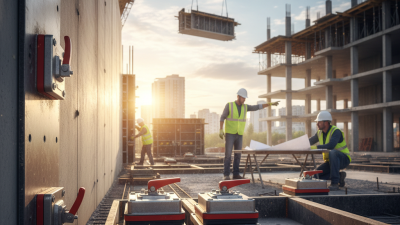
Siderail shuttering magnets play a critical role in enhancing safety on construction sites. Recent studies indicate that about 30% of construction accidents result from improper formwork. Siderail magnets keep panels securely in place, reducing the chances of sudden shifts. A survey by the Construction Safety Association reveals that using these magnets can lower accident rates significantly, by nearly 20%.
Moreover, the ease of setup with siderail magnets minimizes manual handling. This directly impacts worker safety. The American National Standards Institute estimates that ergonomics-related injuries account for 25% of all construction injuries. When workers spend less time wrestling with formwork, they are safer overall. Many sites report fewer injuries and enhanced productivity due to this innovation.
However, some challenges remain. Not all workers are familiar with siderail technology. Training is essential but often overlooked. A study from the National Institute for Occupational Safety and Health shows that 50% of construction workers feel inadequately trained in new safety protocols. Addressing this gap is vital for maximizing the benefits of siderail shuttering magnets in construction safety.
Top 10 Benefits of Siderail Shuttering Magnet in Construction
| Benefit |
Description |
| Enhanced Safety |
Siderail shuttering magnets provide a secure hold, minimizing the risk of accidents on site. |
| Ease of Installation |
Quickly and easily attachable, reducing labor time and increasing efficiency. |
| Cost-Effectiveness |
Lower overall costs through reduced material waste and faster project completion. |
| Versatility |
Applicable for various construction types, compatible with different forms and shapes. |
| Improved Quality |
Ensures a consistent and high-quality finish in concrete work. |
| Reducing Noise Pollution |
Siderail shuttering minimizes noise levels during the construction process. |
| Weather Resistance |
Durable against various weather conditions, maintaining performance throughout projects. |
| Enhanced Productivity |
Allows workers to complete tasks more efficiently, speeding up the overall timeline. |
| Eco-Friendly Solution |
Reduces material waste, supporting sustainable construction practices. |
| Low Maintenance Requirements |
Minimal upkeep needed, ensuring long-term usability without hefty investments. |
Comparison of Traditional Formwork vs. Siderail Shuttering Magnet
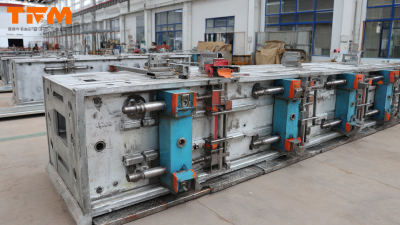
In the construction industry, choosing the right formwork is crucial. Traditional formwork often involves heavy materials and complex assembly processes. Workers frequently face challenges when aligning and securing the panels. This can lead to inconsistent results and increased labor costs. Safety is another concern; cumbersome materials can pose risks on site.
Siderail shuttering magnets offer an alternative. They simplify assembly with their magnetic connection. Workers can set up forms quickly, enhancing efficiency. The lightweight design reduces physical strain, leading to fewer accidents. However, the magnet's strength can vary. Occasionally, they may not hold securely on certain surfaces. This inconsistency can cause delays if panels shift during concrete pouring.
On the other hand, traditional methods provide a known reliability. However, they are time-consuming and may require additional materials for support. The choice often depends on the specific project needs and budget constraints. Each method has its pros and cons, revealing a need for careful consideration. Balancing speed and safety is key in construction projects.
Top 10 Benefits of Siderail Shuttering Magnet in Construction
This chart illustrates the comparative benefits of using Siderail Shuttering Magnets in construction against traditional formwork methods. As depicted, improvements in time efficiency, cost efficiency, and safety are significant, showcasing why these magnets are becoming a preferred choice in modern construction practices.
Environmental Benefits of Using Siderail Shuttering Magnet in Projects
Siderail shuttering magnets are transforming the construction industry. Their environmental benefits are noteworthy. These magnets reduce the need for traditional shuttering methods. This results in less wood waste and fewer resources consumed. Construction sites become greener and more efficient.
Using these magnets can significantly cut down on transportation emissions. Fewer materials mean reduced deliveries to job sites. This leads to a smaller carbon footprint overall. Yet, the industry must remain conscious of production processes. Some magnets may use materials that are not eco-friendly.
Additionally, the durability of siderail magnets allows for reuse. This cuts down on long-term waste. However, it’s crucial to develop better recycling strategies. Improper disposal could negate environmental advantages. Education about proper use and disposal is vital for these innovations. The potential benefits are immense but must be balanced with mindful practices.